
Workshop 6
UK’s Offshore Decarbonisation Strategies: A multidimensional exploration across space and time through mapping and cognitive frameworks Sunday, June 7TH | Room 12
Convenors
- Jazmín Mota (The Oxford Institute for Energy Studies (OIES))
- Daniel Arnold (Heriot Watt University)
- Francis Cram (MapStand)
- Chris Pentland (North Sea Transition Authority)
Description
This full-day workshop provides a multidimensional perspective on the UK’s offshore decarbonisation landscape, exploring how offshore wind, CCS, hydrogen, and infrastructure repurposing converge within shared marine and subsurface spaces. Using spatial and cognitive mapping tools, participants will analyse how projects overlap, interact, or compete—while uncovering opportunities for cross-sector alignment and integrated planning.
Through participatory exercises and collaborative modelling, the workshop enables attendees to “see through someone else’s lens” by examining technical, social, environmental, and regulatory interdependencies. Participants will work with real-world geographies, case-based data, and stakeholder insights to identify synergies, risks, and strategies for more coherent and resilient offshore decarbonisation pathways for the UK.
The workshop engages regulators, industry representatives, researchers, NGOs, and civil society, fostering dialogue essential to a just and effective North Sea energy transition.
Sub-Topics that will be covered in the workshop:
- Offshore decarbonisation strategies in the UK’s North Sea (incl. offshore wind, CCS, hydrogen, and infrastructure reuse)
- Spatial overlaps, co-location challenges, and system interdependencies
- Regulatory, economic, social, and environmental drivers of project outcomes
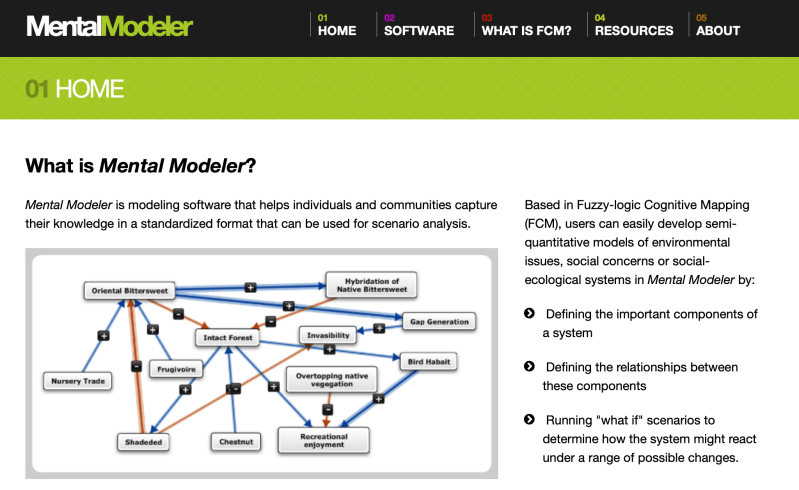
- Participatory spatial mapping (MapStand) and cognitive mapping (MetalModeler)
- Cross-sector collaboration and systems-thinking approaches
Workshop format:
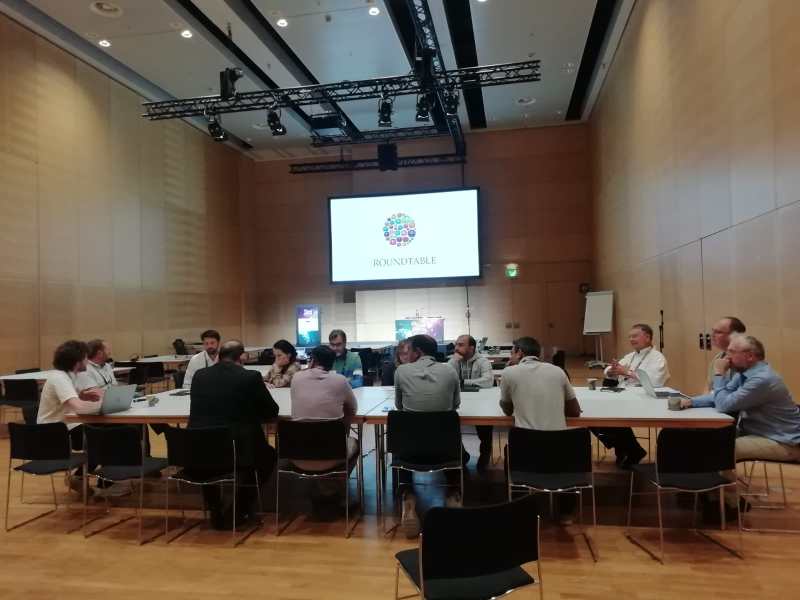
The workshop combines expert presentations, participatory mapping, cognitive modelling, gamification, and group dialogue.
Participants will:
- Engage with interactive spatial datasets and visualisation tools
- Build and analyse cognitive maps to explore system dynamics
- Work in groups to identify interdependencies, bottlenecks, and policy opportunities
- Share insights through plenary discussions supported by gamified synthesis tools
Format elements include:
- Presentations (in-person and recorded)
- Participatory Mapping (MapStand)
- Cognitive Mapping (MetalModeler)
- Gamification
- Group and plenary discussions
Duration: 7 hours (including lunch and breaks)
Participant Profile
This workshop is designed for professionals and stakeholders involved in offshore energy, decarbonisation, and marine planning, including:
- Regulators and policymakers seeking integrated perspectives on offshore resource management
- Industry representatives from offshore wind, CCS, hydrogen, and related sectors
- Researchers and academics working on energy systems, marine governance, and transition strategy
- NGOs and civil society interested in environmental, social, and just transition dimensions
- Students and early-career professionals entering the offshore energy or sustainability fields
No prior experience with mapping tools is required.
Workshop Programme
| Time | Activity | Speakers |
|---|---|---|
| 08:30 | Registration | |
| 09:00 | Introduction
The session opens with an introduction to the organising team, workshop objectives, and the analytical methodologies to be used. Then, participants will engage in an icebreaker activity followed by presentations and a panel discussion from stakeholders to situate the UK’s offshore transition topic, as well as current and emerging activities, actors, and scenarios. This activity seeks to explore and discuss key aspects of energy transition in the UK’s offshore, stakeholders’ engagement and challenges, regulatory framework and projects planning. This segment concludes with an initial exchange of perspectives to establish a shared understanding of the topic you will have the chance chat about during the coffee break. | Facilitators:
Daniel Arnold Jazmín Mota Francis Cram Panelists: Chris Pentlan Francis Cram Guest Speakers: Tim Dumenil, Acorn Astley Hasting, University of Aberdeen Facilitator: Daniel Arnold |
| 11:00 | Coffee Break | |
| 11:30 | The Context and Challenge Through a participatory mapping exercise, attendees will focus on the geographical area for the analysis and collectively identify critical technical, regulatory, social, environmental, and economic elements shaping offshore decarbonisation strategies in the UK. In groups, you will have the task to map out such elements throughout a role-playing game to determine what are the essential aspects of the UK’s offshore transition challenge. The outputs from this section will feed the next exercise where we will translate them into mathematically operational tools. | Facilitators:
Francis Cram
Jazmín Mota |
| 13:30 | Lunch | |
| 14:30 | Multidimensional Exploration
Working in groups, participants will build cognitive maps using an online tool (MentalModeler) using the previously identified elements to visualise interdependencies, potential conflicts, and opportunities for integration. This collaborative analysis will guide discussions on central factors influencing offshore decarbonisation outcomes and on strategies for enhanced alignment and cooperation among stakeholders. | Facilitators:
Jazmín Mota Daniel Arnold |
| 16:00 | Coffee Break | |
| 16:30 | Closing Discussion and Wrap Up Session
The workshop concludes with a plenary discussion where groups share insights and reflections. Participants will evaluate the value of spatial and cognitive mapping tools in understanding offshore decarbonisation dynamics and consider how these approaches can inform future research, policy, and industry practice. | Facilitators:
Francis Cram Chris Pentland |