
Conference Evening Wednesday, 10 June 2026 | 19:00 – 00:00 | Crathes Castle, Aberdeenshire
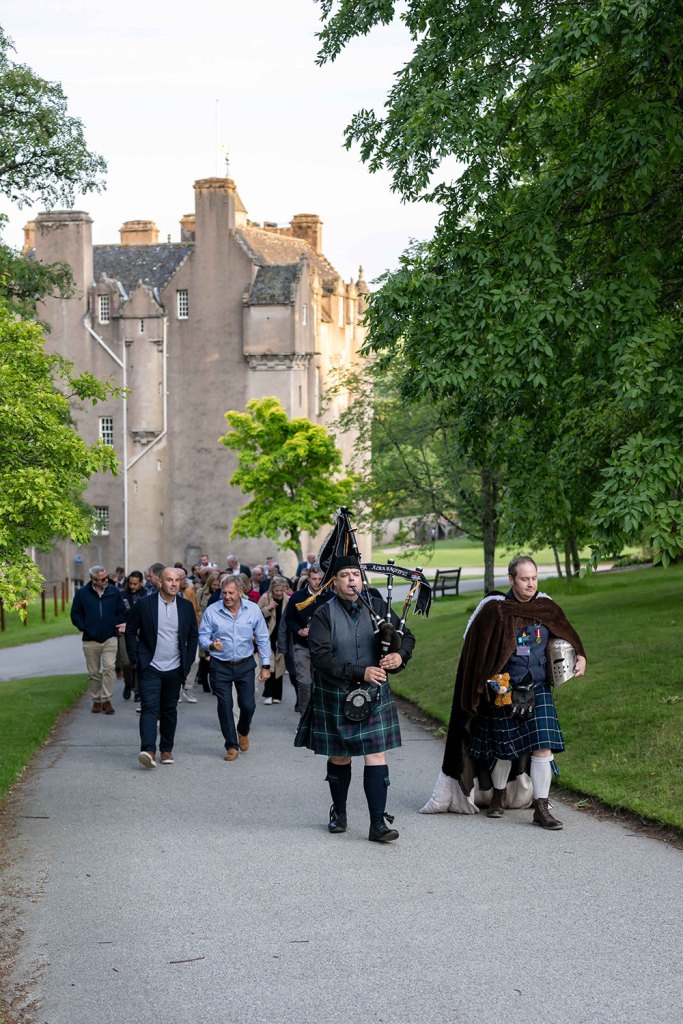
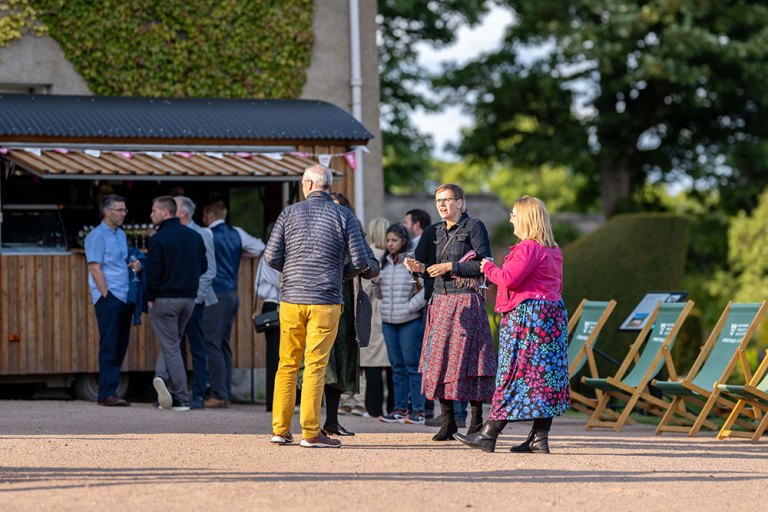
The conference evening provides a perfect opportunity for attendees to relax and socialize in a unique setting. Entrance is included in the full delegate fee and accompanying person registration.
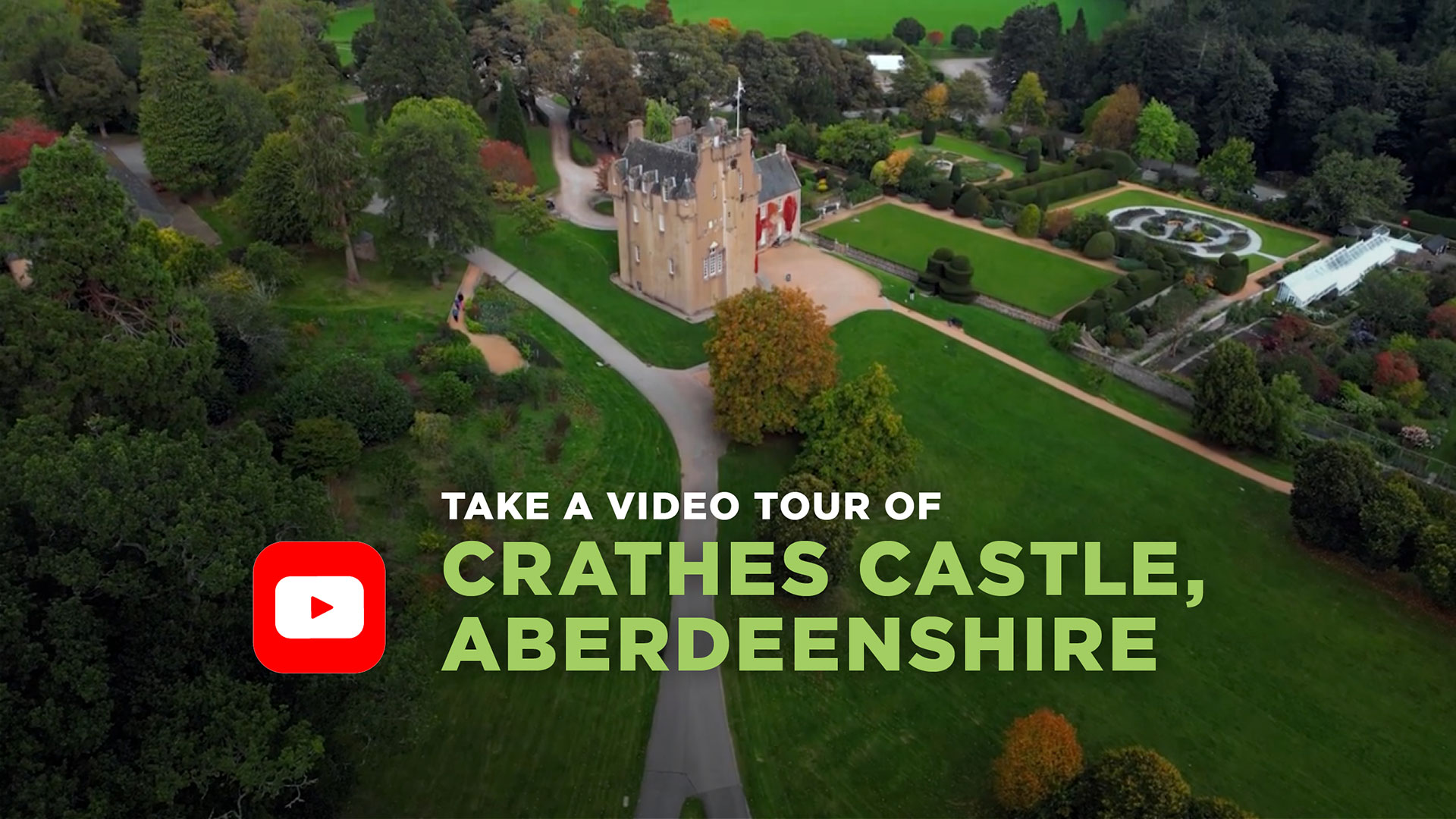
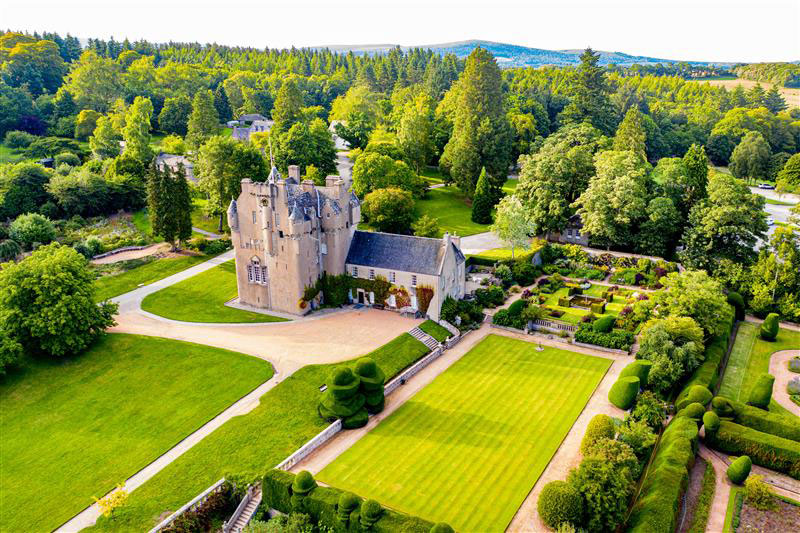
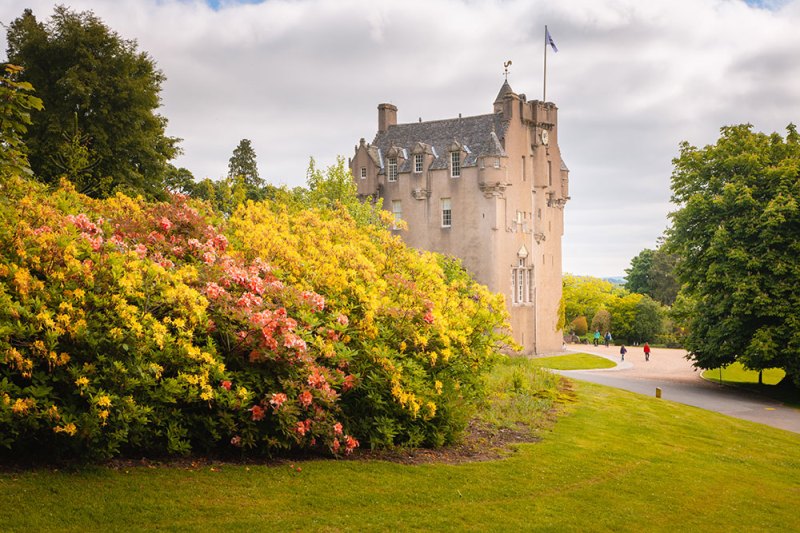
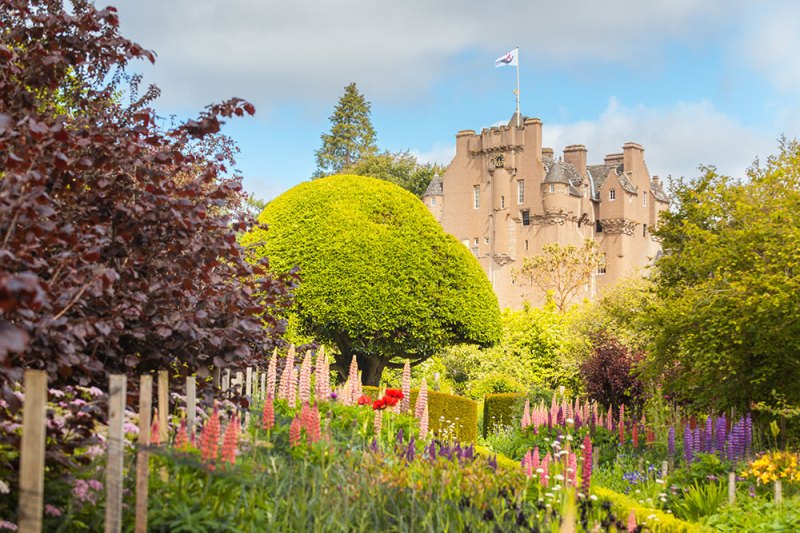
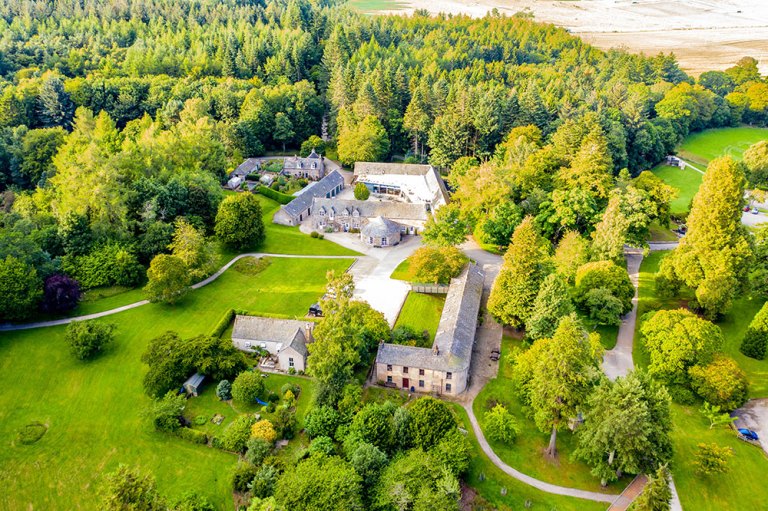
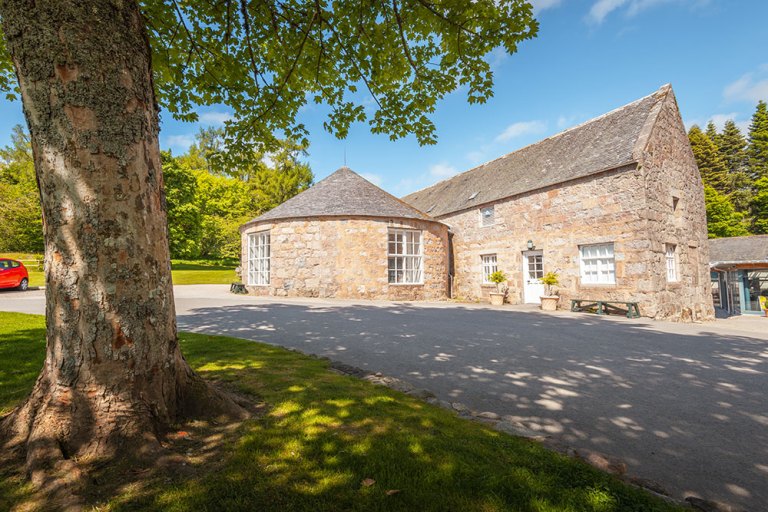
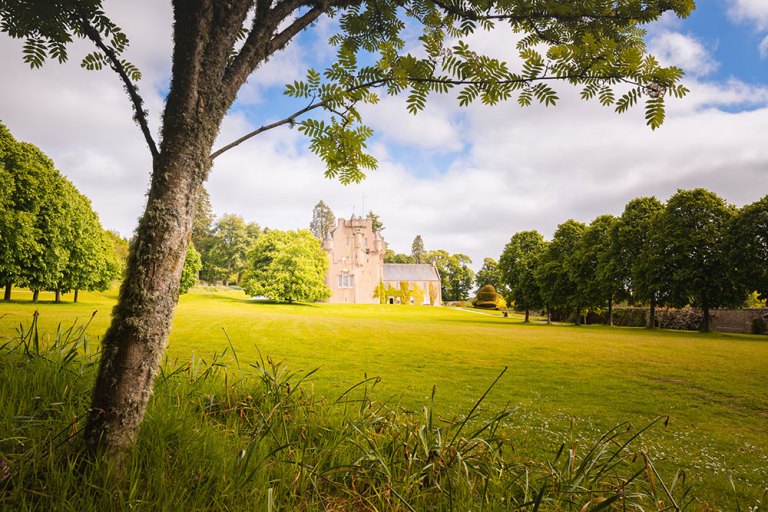
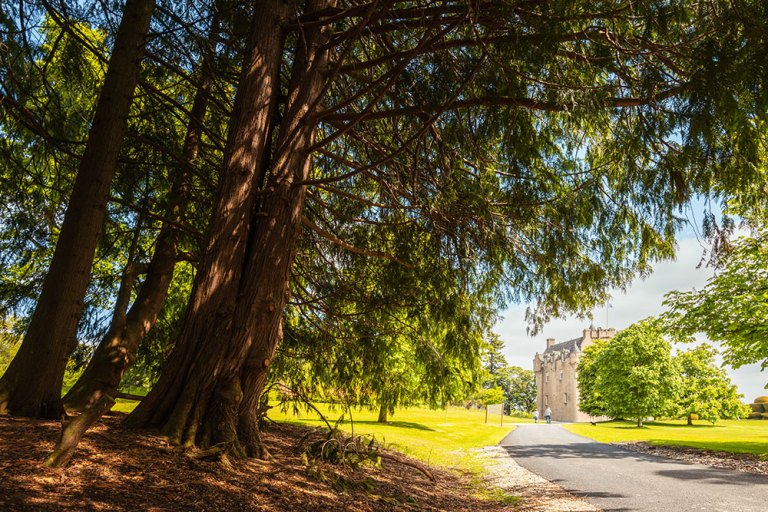
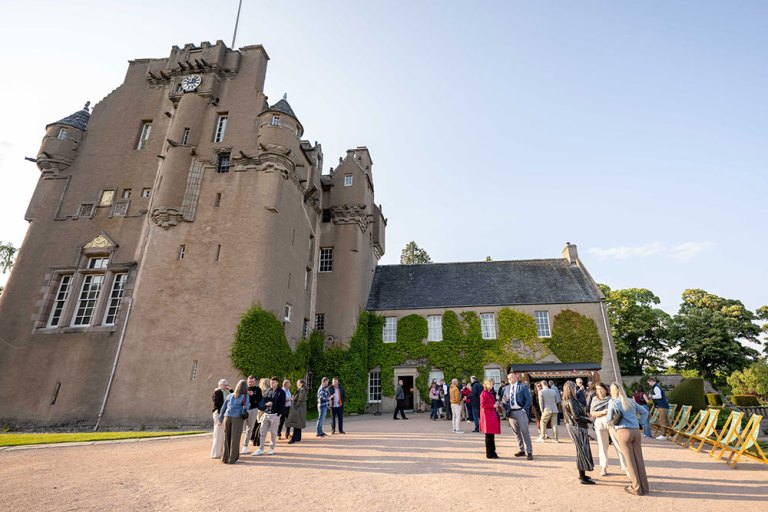
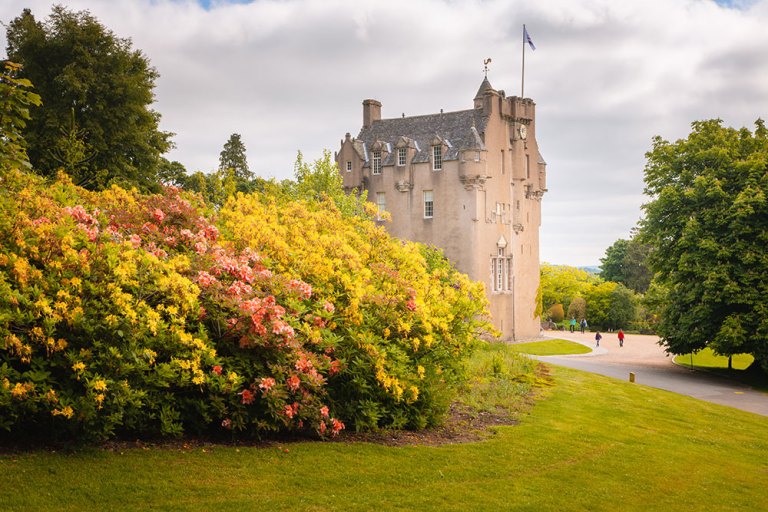
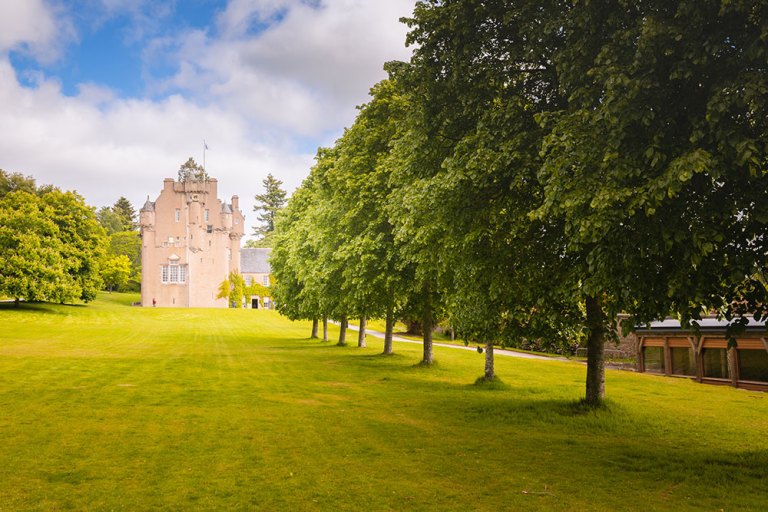
Set against a backdrop of rolling hills and surrounded by its own glorious gardens, Crathes Castle provides a truly memorable setting for the EAGE Annual 2026 Conference Evening. This classic Scottish tower house, cared for by the National Trust for Scotland, offers delegates the chance to experience centuries of history in an atmosphere that feels both grand and welcoming.
A Castle Steeped in History
Built in the 16th century by Alexander Burnett, Crathes Castle was home to the Burnett family for more than 350 years. Their roots in the region stretch back even further, to 1323, when Robert the Bruce granted them nearby land.
Inside the castle, delegates will find a rich tapestry of cultural history, including:
- An intricate maze of turrets and fairytale-like towers
- Beautiful oak panels and remarkable painted ceilings, many still preserved today
- Historic rooms filled with family portraits and fine antique furniture
- The famous Horn of Leys, said to have been gifted to the Burnett family by Robert the Bruce
Crathes also has its own legend, the Green Lady, a mysterious presence that has been sighted in the castle over the centuries.
The Iconic Walled Garden
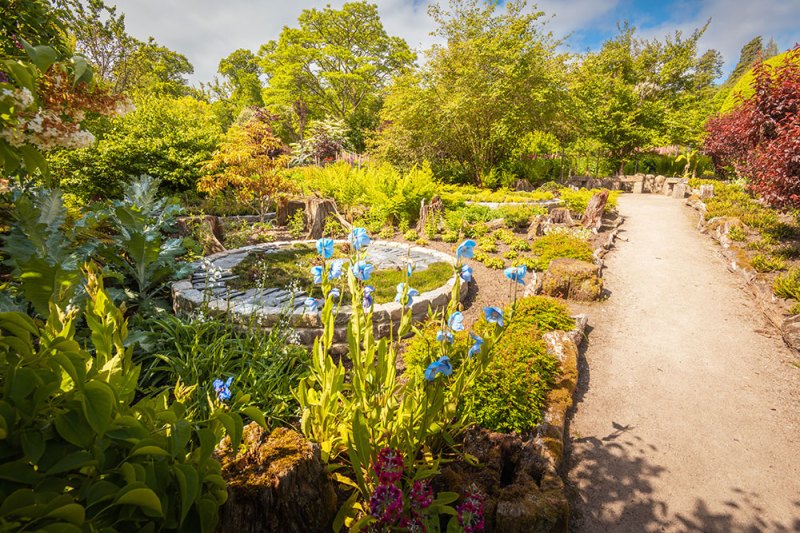
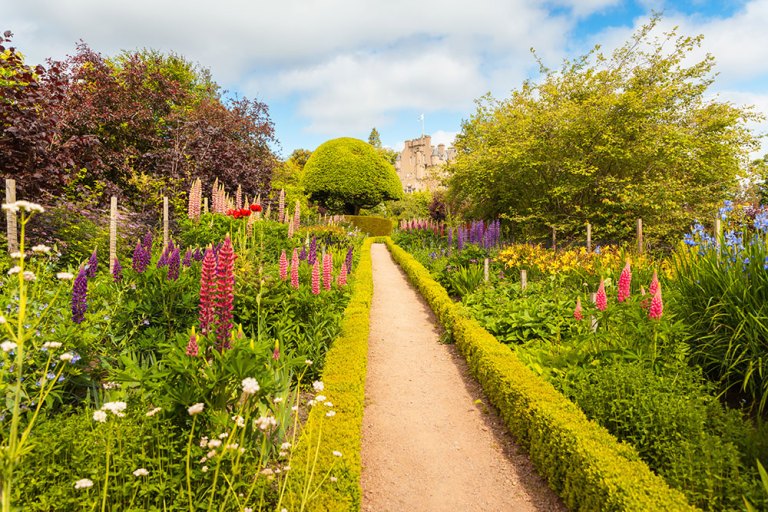
The internationally renowned walled garden is a highlight of the estate and a delight to explore.
Designed largely in the early 20th century by Sir James Burnett and his wife Sybil, it is divided into eight unique sections featuring:
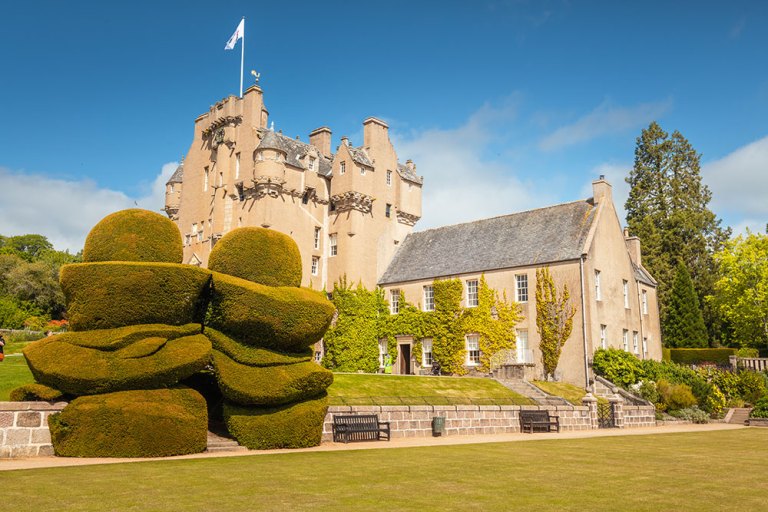
- Sculpted topiary and historic garden design
- Soft herbaceous borders and vibrant seasonal colour
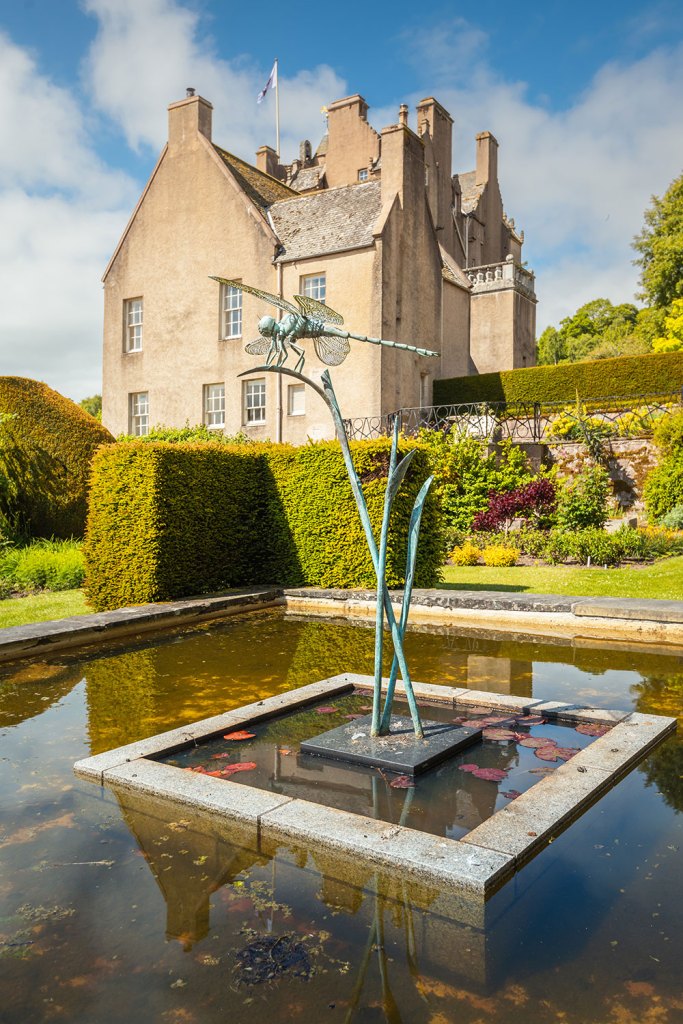
- Pools, fountains and themed planting areas
- Rare plants and unusual garden collections
The impressive yew hedges, some planted as early as 1702, remain one of the garden’s most striking features.
Nature and the Estate
Crathes Castle Estate was once part of the Royal Forest of Drum and remains rich in wildlife and natural beauty.
The estate’s trails pass through woodland, ponds, marsh and streams, where visitors may spot:
- Red squirrels and roe deer
- Woodpeckers, buzzards and kingfishers
- Herons along the Coy Burn
A Castle Steeped in History
Built in the 16th century by Alexander Burnett, Crathes Castle was home to the Burnett family for more than 350 years. Their roots in the region stretch back even further, to 1323, when Robert the Bruce granted them nearby land.
Inside the castle, delegates will find a rich tapestry of cultural history, including:
- An intricate maze of turrets and fairytale-like towers
- Beautiful oak panels and remarkable painted ceilings, many still preserved today
- Historic rooms filled with family portraits and fine antique furniture
- The famous Horn of Leys, said to have been gifted to the Burnett family by Robert the Bruce
Crathes also has its own legend, the Green Lady, a mysterious presence that has been sighted in the castle over the centuries.
The Iconic Walled Garden
The internationally renowned walled garden is a highlight of the estate and a delight to explore.
Designed largely in the early 20th century by Sir James Burnett and his wife Sybil, it is divided into eight unique sections featuring:
- Sculpted topiary and historic garden design
- Soft herbaceous borders and vibrant seasonal colour
- Pools, fountains and themed planting areas
- Rare plants and unusual garden collections
The impressive yew hedges, some planted as early as 1702, remain one of the garden’s most striking features.
Nature and the Estate
Crathes Castle Estate was once part of the Royal Forest of Drum and remains rich in wildlife and natural beauty.
The estate’s trails pass through woodland, ponds, marsh and streams, where visitors may spot:
- Red squirrels and roe deer
- Woodpeckers, buzzards and kingfishers
- Herons along the Coy Burn
Transportation
In partnership with the Toulouse Convention Bureau, we are pleased to offer all attendees a COMPLIMENTARY PUBLIC TRANSPORT CARD, available for collection during badge pick-up. This card grants full access to Toulouse’s public transportation network, providing a convenient and eco-friendly way to navigate the city. We encourage participants to take advantage of this sustainable option, helping to reduce congestion and support the conference’s commitment to environmental responsibility.